Medically reviewed by Eric L. Giang, DO | Reviewed May 2026
As an orthopedic surgeon in Modesto, I’ve learned that bone quality affects everything: how well a joint replacement holds, how quickly someone heals after surgery, and whether we can avoid a surgical conversation altogether. When it comes to vitamins and supplements to support bone health, there are many considerations to take into account. In this post, I’ll walk you through what the research suggests, what I see in my own patients, and how I think about nutrition and supplementation as part of a broader orthopedic care plan.
Key Takeaways
- Vitamin D and calcium work together and are among the most important nutrients for maintaining bone density.
- Vitamin K2 may help direct calcium to bones rather than soft tissues.
- Magnesium plays a supporting role in bone metabolism that often gets overlooked.
- Supplements are not a substitute for a complete evaluation. If you are preparing for joint replacement surgery or managing bone loss, talk to your orthopedic specialist before starting anything new.
Why Bone Health Matters More Than You Think
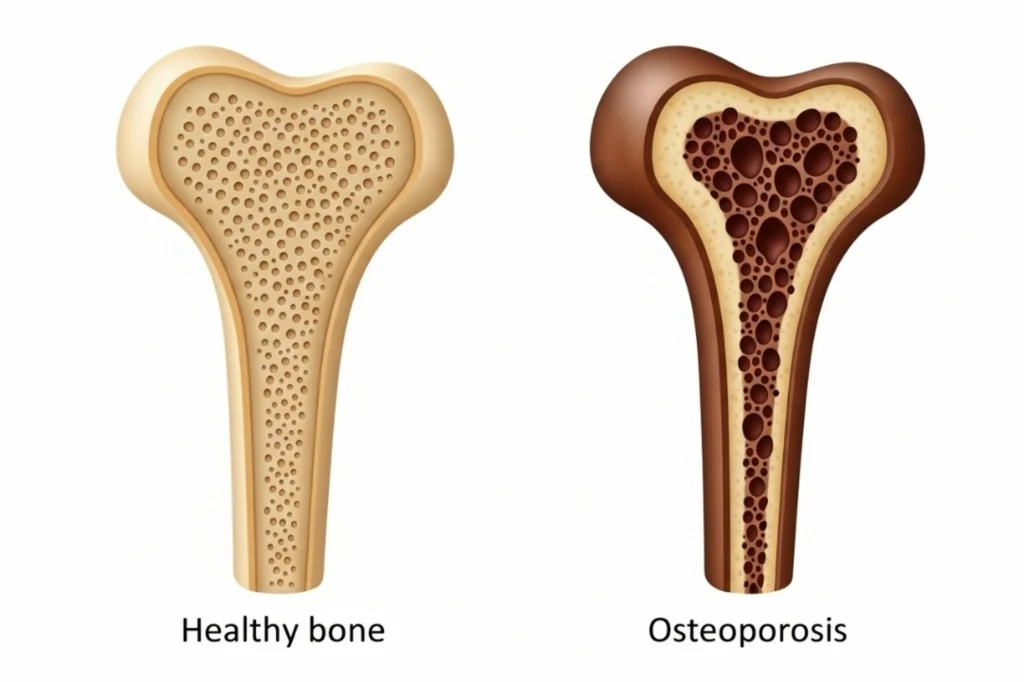
Bones are not static. They are living tissue, constantly breaking down and rebuilding in a process called remodeling. When that balance tips, because of aging, hormonal changes, nutritional deficiencies, or inactivity, bone density can decrease and fracture risk can rise.
As an orthopedic surgeon, I see the downstream effects of poor bone health regularly. Implant fixation after a total shoulder replacement or hip replacement depends in part on the quality of the bone we are anchoring into. Weak, porous bone makes surgery more technically demanding and can complicate recovery. That connection between nutrition and surgical outcomes is something I believe every patient deserves to understand, ideally before they need an operation.
What I See in My Patients
Patients in the Central Valley come to me with a wide range of health profiles. Some are highly active (farmers, athletes, construction workers) and carry strong bone density for their age. Others have spent years with limited physical activity and diets that don’t prioritize nutrient density. I have seen patients in their 50s with bone quality I would more typically expect in someone a decade older.
Vitamin D deficiency is far more common than people expect. Patients assume that living in California means they get enough sun. That may be true if you spend meaningful time outdoors, but many of my patients work indoors or avoid sun exposure for other reasons. When I review labs before surgery, I frequently see Vitamin D levels in the deficient or insufficient range. Catching a deficiency early gives us more options.
The Vitamins and Supplements That Help Support Bone Health
Vitamin D
Vitamin D may be the single most important nutrient for bone health. It helps your body absorb calcium from the digestive tract. Without enough of it, your calcium intake, no matter how high, becomes far less effective.
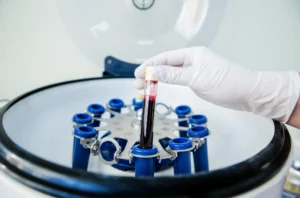
Many adults fall somewhere between 600 and 2,000 IU of Vitamin D daily under general guidelines, though patients who are deficient may need more under medical supervision. My recommendation: get your levels checked rather than guessing. A simple blood test tells you exactly where you stand.
Calcium
Calcium is the structural mineral in bone. Your body stores the vast majority of its calcium in your skeleton and teeth, and if dietary intake is consistently too low, it can pull calcium from bone to meet other needs. That is not a process you want running unchecked.
Aim for calcium through food when possible. Dairy products, leafy greens, fortified foods, and certain fish are all reasonable sources. If food intake is consistently low, a supplement can help bridge the gap. Calcium citrate tends to absorb better than calcium carbonate, particularly for those with lower stomach acid, which is common in older adults.
Vitamin K2
This one surprises most patients. Vitamin K2 does not build bone directly. Instead, it activates proteins that help direct calcium to your bones rather than your arteries and soft tissues. That distinction matters, and it is one reason some researchers consider K2 an important partner to Vitamin D in the context of bone health.
Vitamin K2 appears in fermented foods like natto and some aged cheeses, but most people do not get adequate amounts through diet alone. Supplementing with the MK-7 form of K2 tends to have a longer half-life in the body, which may help maintain steadier levels over time.
Magnesium
Magnesium is involved in hundreds of enzymatic processes, including several that directly affect bone metabolism. It helps regulate calcium transport and plays a role in activating Vitamin D. Despite this, magnesium deficiency is common, especially in people who eat few whole grains, legumes, or leafy vegetables.
Low magnesium may reduce bone mineral density over time. For patients who are deficient, magnesium glycinate or magnesium citrate tend to be well-tolerated forms.
Collagen and Protein
Bone is not made of calcium alone. Roughly one-third of bone by weight is collagen, a structural protein that provides flexibility and tensile strength. Without adequate protein in the diet, your body may struggle to maintain and rebuild that collagen matrix.
Patients preparing for knee replacement surgery often ask me about protein intake. My answer is that adequate protein before and after surgery can support tissue healing and recovery. Collagen peptide supplements have some early-stage evidence behind them for supporting joint tissue, though the research is still developing. I would not rely on them exclusively, but they can fit into a broader nutritional strategy.
My Approach: How I Factor Bone Health Into Surgical Planning
When a patient comes to me for a hip replacement or shoulder procedure, bone quality enters the conversation early. My fellowship training at the Carrell Clinic in Dallas, where I had the opportunity to work alongside physicians caring for the Dallas Cowboys and Mavericks, gave me a deep appreciation for how the whole patient, not just the joint, shapes surgical outcomes.
Before I schedule an elective procedure, I may request bone density data or order labs depending on the patient’s age, history, and risk factors. If I find a significant deficiency, I prefer to address it before surgery when possible. Supporting that nutritional foundation can improve the environment we are working with during the procedure.
I also think about this in the context of revision surgery. Patients who need a second procedure after a joint replacement sometimes have poor bone stock as a contributing factor. Supporting bone health over time, through nutrition, weight-bearing activity, and appropriate supplementation, may help reduce that risk for certain patients.
One thing I always make clear: not all supplements are safe to take before surgery. Some can thin the blood or interact with anesthesia. I ask every patient about their supplement use as part of their pre-operative evaluation. Disclosing everything, including supplements that seem harmless, is important.
What I Tell My Patients in Modesto
When a patient asks me about vitamins and supplements to support bone health, here is the short version: get your Vitamin D level checked, make sure you are getting enough calcium through food or supplementation, and do not underestimate protein. The specifics depend on where they are in their care journey and what their labs show.
Here in Modesto, the Central Valley has some of the most abundant access to fresh produce in the country. Leafy greens, legumes, dairy, and quality proteins are available in ways that patients in other parts of the country may not enjoy to the same degree. Use what is around you.
Whether you are preparing for surgery, trying to avoid it, or managing bone density concerns, this conversation is one I genuinely want to have with you. Come in with your questions. That is exactly what we are here for.
Summary
Vitamins and supplements to support bone health can play a meaningful role in long-term orthopedic care, but they work best as part of a complete picture that includes lab work, physical activity, diet, and the guidance of a qualified provider. Vitamin D, calcium, Vitamin K2, magnesium, and adequate protein represent a reasonable starting point for most adults. Before adding supplements to your routine, especially if you are approaching surgery or managing a bone density diagnosis, the right move is to schedule a visit so we can review your labs and individualize the plan to you. If you are in the Modesto area and ready to take that step, contact my office to set up a consultation.
Frequently Asked Questions
Can supplements alone prevent bone loss?
Supplements can help fill nutritional gaps, but they are not a substitute for other bone-supporting habits. Regular weight-bearing exercise, adequate caloric intake, and avoiding smoking and excess alcohol all contribute to bone density. Supplements work best as part of a complete strategy, not in isolation.
Should I take calcium and Vitamin D together?
Taking them together may improve effectiveness, since Vitamin D enhances calcium absorption. That said, the right form, dose, and timing can vary based on individual factors like age, labs, and medications. A conversation with your doctor can help you determine what combination makes sense for your situation.
Is it safe to take supplements before joint replacement surgery?
Not all supplements are safe to take before surgery. Some can affect blood clotting or interact with anesthesia. Always disclose every supplement you take to your surgical team before any procedure. Your surgeon may ask you to pause certain supplements in the weeks leading up to your operation.