
Side sleeping is one of the most common sleep positions. Many people prefer it for comfort, and some health experts even suggest it may benefit digestion and breathing. However, spending hours in this position night after night may place sustained pressure on the shoulder, and over time, this may contribute to pain and dysfunction. In this post, we’ll explore the connection between side sleeping and shoulder discomfort. We will discuss the types of conditions that may develop, the warning signs to watch for, practical prevention strategies, and guidance on when it may be time to consult a specialist.
Key Takeaways
– Side sleeping may place prolonged pressure on the shoulder joint, potentially contributing to pain, stiffness, and inflammation over time.
– Common conditions associated with side sleeping include rotator cuff irritation, shoulder bursitis, and frozen shoulder (adhesive capsulitis).
– Pillow selection, mattress quality, and sleep posture adjustments may help reduce the risk of developing shoulder problems from sleeping on side.
Why Side Sleeping Can Affect the Shoulder
The shoulder relies on a delicate balance of muscles, tendons, ligaments, and a fluid-filled sac called the bursa to function properly. Unlike the hip, which is a deep ball-and-socket joint, the shoulder socket is relatively shallow. This design allows for a wide range of motion, but it also means the joint depends heavily on soft tissue structures for stability.
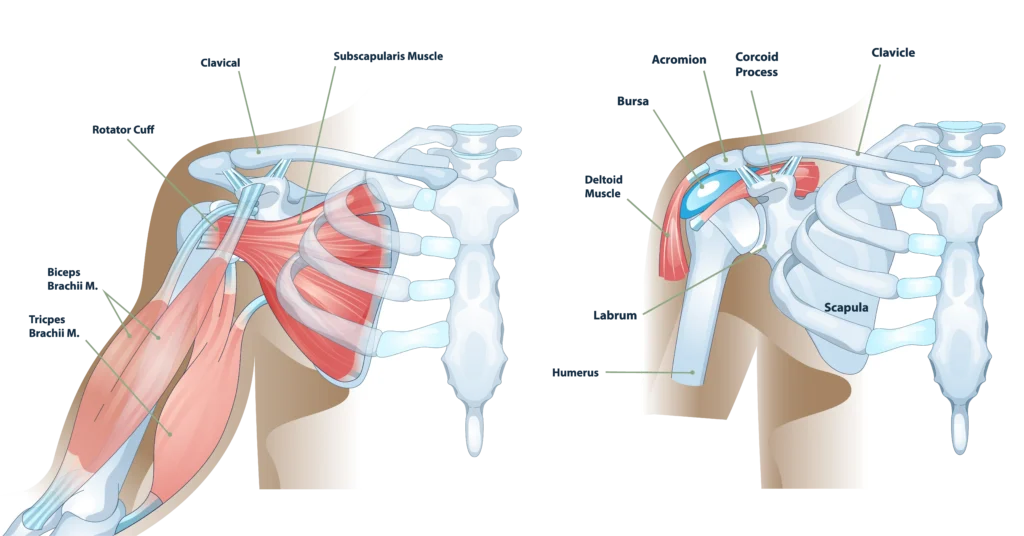
When you sleep on your side, your body weight compresses the shoulder against the mattress for extended periods. This sustained pressure may increase mechanical stress on the tendons and soft tissues. It may also narrow the space where the rotator cuff tendons and bursa sit. Over time, repeated compression may contribute to irritation or inflammation in susceptible individuals.
The position of the arm matters as well. Some side sleepers tuck their arm underneath the pillow or body, which can place the shoulder in an awkward, internally rotated position. This posture may stretch certain tendons and compress others. These factors, combined with the sustained load of body weight, may create an environment where shoulder problems are more likely to develop.
Common Shoulder Conditions Linked to Side Sleeping
Rotator Cuff Irritation and Tendinopathy
The rotator cuff is a group of four muscles and their tendons that stabilize the shoulder joint. These tendons pass through a narrow space beneath the acromion, a bony projection at the top of the shoulder blade. When you sleep on your side, the compression may reduce the already limited space available for these tendons. Over time, this can lead to irritation, micro-damage, and tendinopathy. Patients often describe a deep, aching pain that worsens at night and makes it difficult to find a comfortable sleeping position.
Shoulder Bursitis
The subacromial bursa is a small, fluid-filled sac that cushions the rotator cuff tendons. Its job is to reduce friction during shoulder movement. Repeated compression from side sleeping may irritate this bursa, causing it to swell and become inflamed. This condition, known as shoulder bursitis, can produce a sharp or burning pain on the outer part of the shoulder. The discomfort tends to intensify when lying on the affected side or reaching overhead.
Frozen Shoulder (Adhesive Capsulitis)
Frozen shoulder involves the thickening and tightening of the joint capsule. While the exact cause often remains unclear, risk factors may include diabetes, thyroid disease, prior injury, or periods of shoulder immobilization. The condition typically progresses through stages of increasing stiffness and pain before gradually resolving, though recovery can take many months.
Shoulder Impingement Syndrome
Impingement occurs when the rotator cuff tendons or bursa become pinched between the bones of the shoulder. As the shoulder compresses under body weight, the space for the tendons narrows. Patients with impingement syndrome commonly notice that their symptoms are worse after a night of sleeping on the affected side.
Aggravation of Pre-Existing Conditions
Individuals who already have shoulder osteoarthritis, labral tears, or previous surgical repairs may find that side sleeping exacerbates their symptoms. The additional pressure on an already compromised joint can accelerate discomfort. For these patients, addressing sleep position can be an important part of a broader treatment plan.
Signs and Symptoms to Watch For
Shoulder problems from sleeping on side often develop gradually. You might not notice them right away. However, certain symptoms may suggest your sleep position is affecting your shoulder health.
Morning shoulder stiffness that takes time to loosen up is a common early sign. You might also notice a dull ache that seems to linger throughout the first few hours of your day. Pain that consistently wakes you up at night, especially when you roll onto the affected side, is another important signal. Some people experience difficulty reaching behind their back or lifting their arm above shoulder height. Left unaddressed, minor irritation can sometimes progress to more significant issues that are harder to treat.
Factors That May Increase Your Risk
Not everyone who sleeps on their side will develop shoulder problems. Several factors can influence your individual risk level. Understanding these factors may help you take proactive steps to protect your shoulders.
Age plays a role. As we get older, tendons and soft tissues naturally lose some of their elasticity and resilience. Pre-existing shoulder injuries or surgeries also matter. A shoulder that has previously been repaired or injured may be more vulnerable to the effects of sustained pressure.
Body weight is another consideration. Higher body weight means greater compressive force on the shoulder during side sleeping. Mattress quality matters too. An old or overly firm mattress may not adequately cushion the shoulder, concentrating pressure on the joint. Conversely, a mattress that is too soft may allow the shoulder to sink excessively, creating misalignment.
Occupation and activity level can also contribute. People who perform repetitive overhead motions at work or during sports already place additional demands on their rotator cuff. Adding nighttime compression from side sleeping may compound the cumulative stress on these tissues.
Prevention Strategies for Side Sleepers
The good news is that you do not necessarily have to abandon side sleeping entirely to protect your shoulders. Several practical adjustments can help reduce the pressure and strain on the joint.
Optimize Your Pillow Setup
A supportive pillow can make a difference. Your head pillow should keep your neck and spine in a neutral alignment, preventing the shoulder from bunching up toward your ear. Consider placing a second pillow in front of your body and resting your top arm on it. This can help keep the shoulder in a more open, neutral position and reduce internal rotation. Some people also find that a body pillow helps distribute weight more evenly and reduces the tendency to collapse onto the bottom shoulder.
Choose the Right Mattress
Many side sleepers find that a medium to medium-firm mattress provides a balance between cushioning and support. Ideally, the surface allows the shoulder and hip to sink in slightly while maintaining overall spinal alignment. As mattresses age, they may lose supportive properties. In some cases, a mattress topper can improve pressure distribution without requiring a full replacement.
Alternate Sides
If you tend to sleep on the same side every night, try alternating. This distributes the compressive load between both shoulders rather than concentrating it on one. Training yourself to switch sides can take time, but placing a pillow behind your back can discourage you from rolling back to your preferred side.
Maintain Shoulder Strength and Flexibility
Regular shoulder exercises can help build resilience in the rotator cuff muscles and surrounding structures. Gentle stretching before bed may also help prepare the shoulder for the sustained position of side sleeping. Exercises that target the rotator cuff, scapular stabilizers, and upper back muscles may be beneficial. A physical therapist can design a program tailored to your specific needs and any existing limitations.
Mind Your Arm Position
Avoid tucking your arm under your pillow or sleeping with your arm stretched overhead. These positions can compress or stretch the rotator cuff tendons in ways that promote irritation. Instead, try to keep the bottom arm in front of your body at a comfortable angle, roughly parallel to the bed. This position tends to place less strain on the shoulder structures.
When to See an Orthopedic Specialist
Many cases of sleep-related shoulder discomfort improve with the adjustments described above. However, some situations call for professional evaluation. Consider scheduling an appointment with an experienced orthopedic specialist if your shoulder pain persists despite modifying your sleep habits. Pain that progressively worsens, limits your daily activities, or prevents you from sleeping may also warrant a closer look.
Other signs that suggest a more thorough evaluation include significant weakness in the arm, an inability to raise the arm, swelling or warmth around the shoulder, or pain following an acute injury or fall. An orthopedic surgeon can perform a full evaluation. From there, they can recommend the most appropriate course of treatment, which may range from physical therapy and anti-inflammatory strategies to more advanced interventions if needed.
Summary
Shoulder problems from sleeping on side are more common than many people realize. The sustained pressure of body weight on the shoulder joint during sleep may increase mechanical stress on surrounding tissues and potentially aggravate conditions such as rotator cuff tendinopathy, bursitis, or impingement in susceptible individuals. Risk factors such as age, pre-existing injuries, body weight, mattress quality, and repetitive overhead activities may increase your susceptibility.
Optimizing your pillow arrangement, choosing an appropriate mattress, alternating sleep sides, maintaining shoulder strength and flexibility, and being mindful of arm position can all make a meaningful difference. If home modifications do not resolve your discomfort, an orthopedic specialist can help identify the underlying cause and guide you toward an effective treatment plan.
Frequently Asked Questions
Is it better to sleep on my back if I have shoulder pain?
Back sleeping generally places less direct pressure on the shoulder joints and may be more comfortable for individuals with shoulder pain. If transitioning to back sleeping is difficult, placing a small pillow or rolled towel under the affected arm can help reduce strain.
What type of pillow is best for side sleepers with shoulder pain?
A pillow that is thick enough to fill the gap between your ear and the mattress surface tends to work well. This helps keep the cervical spine aligned and prevents the shoulder from bearing excessive load. Memory foam or adjustable-fill pillows often provide good support. Additionally, a separate body pillow or arm-support pillow can help keep the top shoulder in a neutral, open position throughout the night.
Should I use ice or heat for shoulder pain caused by side sleeping?
Both ice and heat can be helpful, depending on the situation. Ice may reduce inflammation during acute flare-ups, particularly if the shoulder feels warm or swollen. Heat can soothe chronic stiffness and improve blood flow before stretching. Some people alternate between the two.