
For many people, the sound of a popping, clicking, or grinding shoulder is a common, yet unsettling, experience. You might notice it when reaching for a seatbelt, lifting weights, or simply moving your arm in a circle. The question that immediately comes to mind is, “Why does my shoulder pop?” This phenomenon, medically known as crepitus, can range from a harmless occurrence to a signal of an underlying orthopedic issue requiring professional attention.
Key Takeaways
- Many shoulder noises are benign and result from generally harmless events like gas bubbles releasing in the joint fluid (cavitation).
- A popping sound accompanied by pain, weakness, or a feeling of instability may be a sign to consider seeking a professional evaluation.
- A thorough physical examination, potentially supplemented by imaging like X-rays or MRI, can help pinpoint the exact source of the issue.
The Anatomy of the Shoulder: A Complex Ball-and-Socket
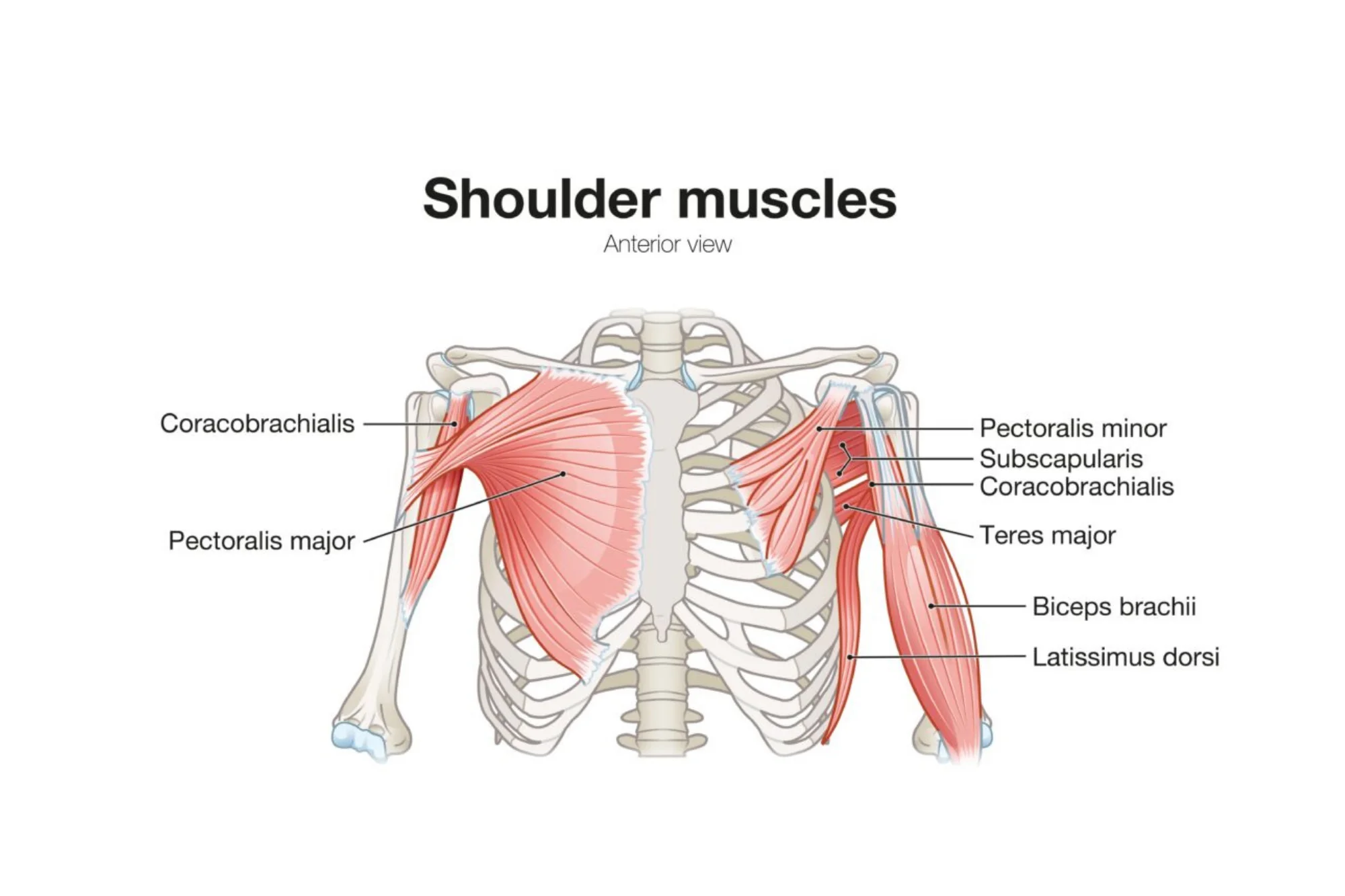
The shoulder isn’t just one joint; it’s a group of joints, muscles, tendons, and ligaments working together. The primary joint is the glenohumeral joint, a ball-and-socket structure made up of the humeral head and the glenoid. Surrounding it are the rotator cuff muscles and tendons, which provide stability and help lift and rotate the arm. The labrum deepens the socket and supports stability, while small fluid-filled sacs called bursae reduce friction. When any of these structures are irritated, injured, or moving abnormally, popping or clicking may occur.
Harmless Popping: When Not to Worry
One common and harmless cause of popping is cavitation. This is the same mechanism that occurs when you crack your knuckles. As the joint moves, pressure within the synovial fluid briefly changes, allowing small gas bubbles to form and quickly dissolve, creating an audible pop. Tendons or ligaments can also momentarily snap over bony areas as you move, which may feel like a quick, painless “thunk.” While usually harmless, persistent snapping should be monitored if irritation develops over time.
Pathological Popping: When the Noise Signals a Problem
When the popping sensation is accompanied by pain, a feeling of the shoulder catching, or a sense of instability, it may suggest a mechanical issue within the joint. These pathological causes can be broadly categorized by the structure involved.
Issues with the Joint Capsule and Labrum
The labrum and the ligaments surrounding the glenohumeral joint are key structures for stability. Damage to these structures is a frequent cause of painful popping.
Labral Tears (SLAP and Bankart Lesions)
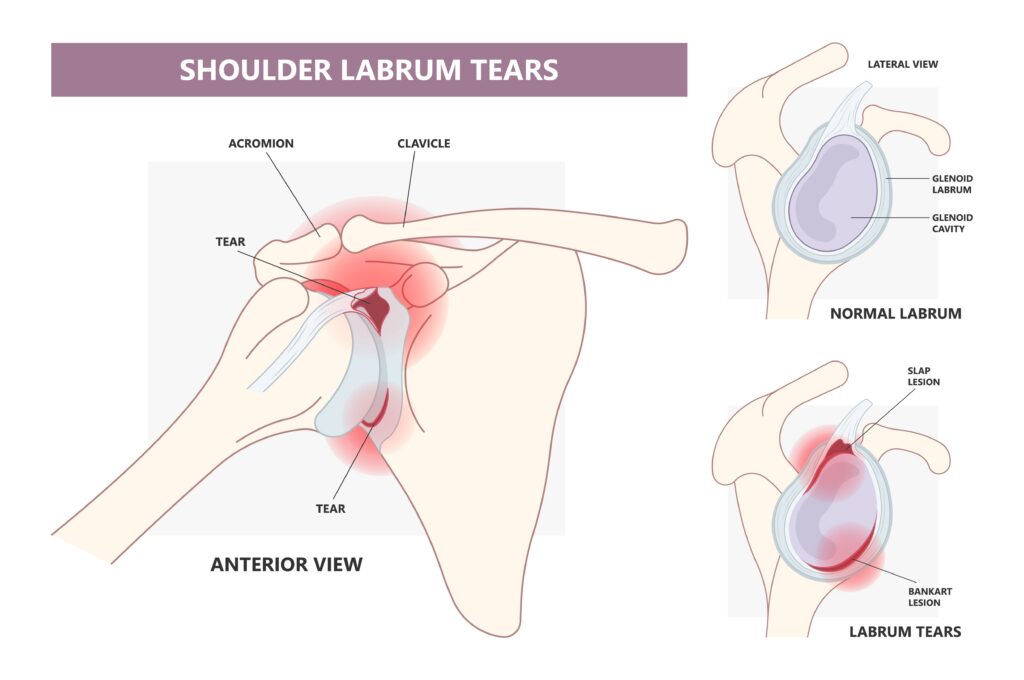
Labral tears are a common source of painful popping. A SLAP tear involves the upper portion of the labrum, often connected to the biceps tendon, while a Bankart lesion affects the lower front area and is commonly linked to shoulder dislocation. These tears can lead to clicking, catching, or instability, especially during overhead movements or sports. Instability or subluxation (partial dislocation) may cause a noticeable “clunk” as the ball momentarily slips in and out of the socket.
Shoulder Instability and Subluxation
Shoulder instability occurs when the head of the humerus moves excessively within the glenoid socket. This condition is often due to a traumatic injury that stretches or tears the labrum and ligaments. It can also be due to generalized ligamentous laxity. Patients frequently describe a distinct, painful “clunk” or “pop” as the joint slips out and back in. This is usually accompanied by a feeling of apprehension or fear that the shoulder will fully dislocate.
Issues with the Rotator Cuff and Tendons
The rotator cuff tendons pass through a narrow space beneath the acromion (the bony roof of the shoulder). Inflammation or damage here may lead to popping and grinding.
Rotator Cuff Tendinopathy and Impingement
Tendinopathy refers to irritation or inflammation of the rotator cuff tendons. Impingement occurs when these tendons are compressed as they pass beneath the acromion. As the inflamed or thickened tendon moves, it can rub against the bone or a bursa, causing a painful grinding or popping sensation. This is often felt when lifting the arm out to the side or overhead.
Biceps Tendon Issues
The long head of the biceps tendon runs through a groove in the humerus and attaches to the superior labrum. If the tendon sheath is damaged or the tendon is unstable, it can snap out of its groove. The primary symptom is a distinct, often painful, snapping or popping at the front of the shoulder.
Snapping Scapula Syndrome
The scapula glides over the rib cage. If this movement is not smooth, it can create a noise known as scapulothoracic crepitus, or “snapping scapula syndrome.” This condition occurs when the soft tissues (muscles or bursa) or the bony surfaces between the scapula and the rib cage rub together abnormally. A grinding, crunching, or popping sound and sensation may be felt in the back of the shoulder blade, often noticeable when performing pushing or overhead movements.
Acromioclavicular (AC) Joint Arthritis
The AC joint is where the collarbone (clavicle) meets the shoulder blade (acromion). Degenerative changes in the AC joint may lead to bone spurs and a rough joint surface. Symptoms may include a grinding or clicking sensation, accompanied by localized pain, especially when reaching across the body or lifting heavy objects.
The Diagnostic Process: Finding the Source of the Pop
When a patient presents with the symptom, “Why does my shoulder pop?” a systematic diagnostic approach may be used. The initial diagnostic tool is a thorough history and physical exam. Your doctor may ask detailed questions about the popping, including if it is painful, when it occurs, and what it feels like.
During the physical exam, your doctor may perform specific tests to assess the stability of the glenohumeral joint, the integrity of the labrum and rotator cuff, and the function of the scapula. Imaging may help support the diagnosis and visualize the underlying structures:
- X-rays: These are helpful for evaluating the bony structures. They can reveal signs of arthritis, bone spurs, fractures, or abnormal bone shapes.
- Magnetic Resonance Imaging (MRI): An MRI provides detailed images of soft tissues, including the labrum, rotator cuff tendons, and ligaments.
- Ultrasound: Dynamic ultrasound allows for watching the tendons and muscles move in real-time. This may be particularly useful for diagnosing snapping biceps tendon or assessing fluid in the bursa.
Treatment Options
The treatment for a popping shoulder is highly dependent on the underlying cause. If the popping is painless and determined to be physiological (cavitation or benign snapping), treatment may not be necessary. However, if the pop is painful or associated with instability, a treatment plan can be developed by an experienced shoulder specialist.
Conservative (Non-Surgical) Management
Many painful shoulder conditions, including those that cause popping, respond well to conservative management.
Physical Therapy
Physical therapy is typically an important component of non-surgical treatment. A specialized program may focus on:
- Rotator Cuff Strengthening: Strong rotator cuff muscles help provide dynamic stability, helping to keep the humeral head centered in the socket.
- Scapular Stabilization: Improving the strength and coordination of the muscles around the shoulder blade is beneficial for overall shoulder mechanics.
- Flexibility and Range of Motion: Restoring normal joint movement can reduce friction and impingement.
- Postural Correction: Addressing poor posture can help alleviate pressure on the shoulder joint and surrounding tendons.
Activity Modification
Temporarily avoiding activities that provoke the painful pop or click can help allow the inflamed or injured tissue to heal. This may involve modifying lifting techniques or reducing the frequency of overhead movements.
Medications and Injections
- Non-Steroidal Anti-Inflammatory Drugs (NSAIDs): Over-the-counter or prescription NSAIDs may help reduce pain and inflammation.
- Corticosteroid Injections: An injection of a corticosteroid into the joint may provide temporary relief from inflammation and pain.
Surgical Management
Surgery is typically reserved for cases where conservative treatment has failed or for conditions that inherently require surgical repair, such as significant instability or large, symptomatic labral or rotator cuff tears.
Arthroscopic Repair
Most modern shoulder surgeries are performed arthroscopically, using small incisions and a camera. This minimally invasive approach allows for precise repair of damaged structures.
- Labral Repair: For Bankart or SLAP tears causing instability, the torn labrum may be reattached to the glenoid bone using small anchors and sutures.
- Rotator Cuff Repair: If a rotator cuff tear is the source of the popping and pain, the torn tendon may be reattached to the humerus.
- Decompression and Debridement: In cases of severe impingement or snapping scapula caused by bone spurs, a small amount of bone may be removed from the acromion (acromioplasty) or the scapula to create more space for the tendons and soft tissues to glide smoothly.
Open Procedures
In rare cases, such as complex instability or severe arthritis, an open surgical approach may be recommended. For instance, a Latarjet procedure may be used for recurrent instability with bone loss from the glenoid.
Prevention and Long-Term Shoulder Health
While not all causes of shoulder popping are preventable, you can take proactive steps to support your shoulder joint health.
- Maintain Strength and Balance: Focus on a balanced exercise routine that strengthens all components of the rotator cuff and the scapular stabilizers.
- Prioritize Flexibility: Regular stretching of the shoulder capsule and surrounding muscles helps maintain a full, smooth range of motion.
- Use Proper Technique: Whether you are lifting weights, throwing a ball, or performing a repetitive task at work, ensure you use correct form to minimize undue stress on the joint.
- Listen to Your Body: Do not ignore persistent pain. If a pop or click starts to become painful, or if it is accompanied by weakness, consider seeking professional advice.
Summary
While a simple, painless pop is usually nothing to worry about, a painful or unstable shoulder requires careful evaluation. By understanding the various causes of shoulder popping, you can empower yourself to make informed decisions about your health. If you are experiencing persistent, painful, or unstable shoulder popping, it may be time to consider seeking a professional evaluation. A consultation is the first step toward a tailored treatment plan.
Frequently Asked Questions
How long should I wait before seeing a doctor for a popping shoulder?
If the popping is painless and infrequent, you can typically monitor it. However, you should schedule an appointment if the popping is painful, associated with weakness, accompanied by a feeling of instability, or feels constant and grinding.
Is shoulder popping always a sign of damage?
Not necessarily. Many pops are harmless and simply caused by gas bubbles releasing in the joint or tendons gliding over bones. If there’s no pain or weakness, it may not be a concern. Pain or instability should be evaluated.
Is surgery always required if the popping is painful?
Not always. Many conditions respond well to non-surgical care such as physical therapy, rest, activity modification, or injections. Surgery is typically considered if those options do not provide adequate relief or for severe injuries.