
Knee replacement surgery, or knee arthroplasty, offers a possible solution for individuals suffering from chronic, debilitating knee pain, most often caused by severe arthritis. For knee replacement procedures, dedication and commitment are important to the recovery process. In this post, we’ll provide detailed, actionable tips for success throughout your preparation and the period of post op knee replacement recovery.
Key Takeaways
- Start preparing your body, mind, and home well before your surgery date. Pre-habilitation may make a noticeable difference in your strength and flexibility going into the procedure.
- Physical therapy is frequently the engine of your recovery, restoring motion and strength to your new joint.
- Work closely with your medical team to establish a pain management plan. Controlling pain allows you to participate more fully in physical therapy.
The Foundation of Success: Pre-Operative Preparation
A successful post op knee replacement journey begins long before you enter the operating room. An experienced knee surgeon will provide you with detailed instructions for the pre-operative process. In the following subsections, we’ll explore some strategies for preparing your body, mind, and home for knee replacement surgery.
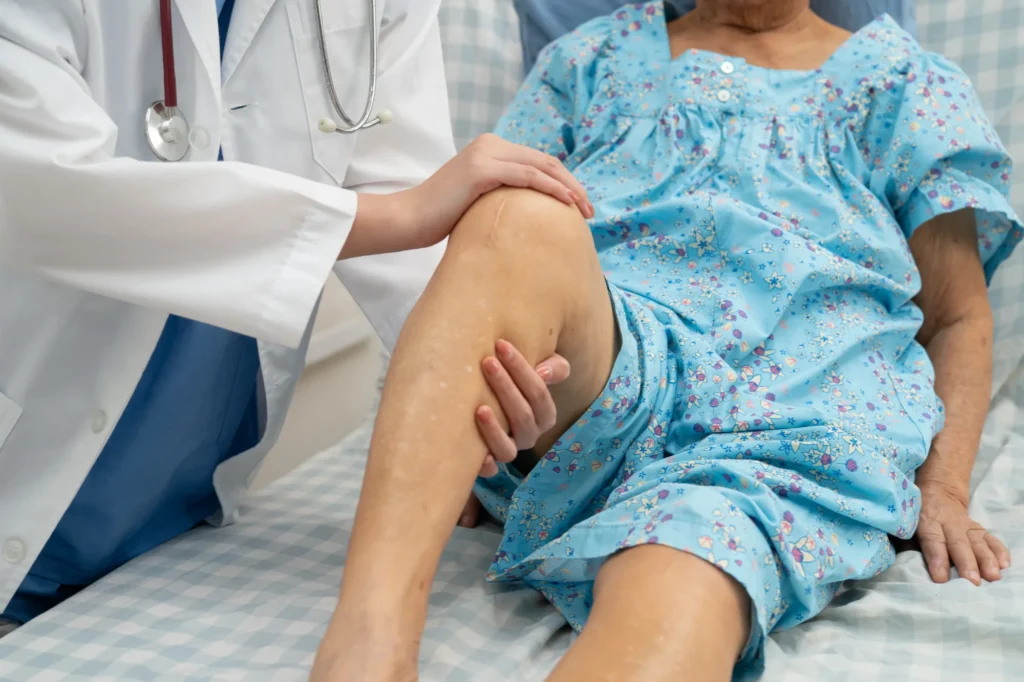
Optimizing Your Physical Health
Entering surgery in the best possible physical condition may influence your recovery trajectory. This phase is often referred to as “pre-habilitation.”
Weight Management and Nutrition: Excess body weight can place additional stress on your knee joint. Nutritionally, focus on a bone healing diet rich in lean proteins, fruits, vegetables, and whole grains. Protein can be especially important for tissue repair and muscle maintenance.
Strengthening and Flexibility: Consider consulting with your surgeon about a pre-operative exercise program. Strengthening the muscles around the knee, specifically the quadriceps and hamstrings, may help you regain strength after the procedure. Maintaining hip and ankle flexibility can also be beneficial.
Medical Clearance and Medication Review: Your surgical team may require medical clearance from your primary care physician and possibly other specialists. It is important to review all your medications, including over-the-counter drugs and supplements, with your surgeon. You may need to stop taking certain medications in the days or weeks leading up to your surgery.
Dental Health: Your surgeon may recommend a dental check-up to address any potential infection risks, such as abscesses or gum disease, before your surgery.
Preparing Your Home Environment
Making simple modifications to your home can ensure safety and ease of movement during the initial weeks of your post op knee replacement recovery.
- Clear the Clutter: Remove all tripping hazards, including throw rugs, loose cords, and unnecessary furniture. Establish clear pathways.
- Establish a Recovery Zone: Set up a comfortable, functional living space on the main floor if possible.
- Bathroom Safety: Consider installing grab bars in the shower and near the toilet. A raised toilet seat and a shower bench or chair are recommended to minimize bending and strain.
- Accessibility: Place frequently used items, such as clothing and kitchen supplies, within easy reach to avoid excessive bending or reaching. Prepare and freeze meals in advance to simplify cooking during the first few weeks.
The Immediate Post-Operative Period: Hospital Stay and Discharge
The first few days after surgery are generally focused on pain control, wound care, and initiating movement.
Pain Management: Staying Ahead of the Curve
Effective pain management is not just about comfort; it is an enabler of physical therapy. If pain is controlled, you can move your knee, which is helpful for preventing stiffness and blood clots. Your medical team will likely use a multi-modal approach to pain control, which may include:
- Nerve Blocks: These provide temporary numbness to the surgical area, offering pain relief in the first 24-48 hours.
- Oral Medications: A combination of medications, including non-steroidal anti-inflammatory drugs (NSAIDs) and acetaminophen (Tylenol), may be used to manage pain effectively.
Early Mobilization and Physical Therapy
Your physical therapist will likely have you up and moving within 24 hours of your surgery. This early mobilization helps prevent complications, and it starts the process of regaining range of motion. The goal during this early phase is to safely achieve a certain degree of knee flexion (bending) and extension (straightening).
Discharge Planning
Before you leave the hospital, your care team will confirm your discharge plan. Ensure you have all necessary prescriptions, follow-up appointments scheduled, and a clear understanding of your weight-bearing status and wound care instructions.
Recovery at Home
Dedicated Physical Therapy and Exercise
Physical therapy is frequently the cornerstone of knee replacement recovery. It is a commitment that requires discipline and perseverance. You will likely have a combination of formal, supervised therapy sessions and a home exercise program.
1. Consistency Over Intensity: While it may be tempting to push through pain, consistency is typically more valuable than intense, sporadic effort. Perform your home exercises several times a day, as instructed.
2. Focus on Range of Motion (ROM): Stiffness is a common complication, and actively working on ROM exercises helps prevent scar tissue from limiting your movement. Your therapist will guide you through exercises.
3. Strengthening Exercises: As your pain subsides and your ROM improves, your therapist may progress you to strengthening exercises. These may include straight leg raises, mini-squats, step-ups, and eventually, stationary cycling.
Managing Swelling and Inflammation
Swelling is a normal and expected part of the healing process, but excessive or prolonged swelling can impede your recovery.
The R.I.C.E. Principle (Rest, Ice, Compression, Elevation):
- Rest: It is important to balance rest with activity. Too much rest can lead to stiffness, while too much activity can increase swelling and pain. Listen carefully to your body.
- Ice: Apply ice packs to your knee for 15-20 minutes several times a day. This may help reduce pain and inflammation.
- Compression: Your surgeon may recommend a compression stocking or wrap to help control swelling.
- Elevation: Keep your leg elevated above the level of your heart when resting. This uses gravity to help drain excess fluid from the leg.
Navigating Daily Activities
Getting back to normal routines happens step by step. Walking usually begins with short, frequent trips using an assistive device such as a walker or crutches. Your therapist will encourage a normal heel-to-toe gait pattern to promote proper movement.
Stairs are another milestone in recovery. Your therapist will guide you through a safe technique, often remembered as “up with the good, down with the bad.” This means you lead with your non-operated leg when going up the stairs and lead with your operated leg when going down.
Driving typically requires more time. Most surgeons recommend avoiding driving for four to six weeks, especially if the right knee was operated on. Always check with your surgeon before getting behind the wheel to make sure it’s safe to do so.
Summary
Knee replacement surgery is a surgical procedure that may improve quality of life for many patients. By committing to a thorough pre-operative preparation, adhering strictly to your physical therapy regimen, proactively managing your pain, and maintaining a healthy, low-impact lifestyle, you can take steps to help support the long-term success of your new joint.
Frequently Asked Questions
How long does it take to recover from a knee replacement?
The recovery timeline varies significantly among individuals, but a general framework suggests that most patients achieve significant progress within 6 to 12 weeks. However, full recovery, including complete muscle strength and endurance, may take anywhere from 6 months to a full year or longer.
When can I stop using my walker or cane?
The transition from a walker to a cane, and then to walking independently, is determined by your strength, balance, and gait pattern. Your surgeon and physical therapist will advise you on when it is safe to stop using your cane, ensuring you have a stable, non-limping gait before you do so.
How should I set up my home for recovery?
Clear walking paths, remove tripping hazards, organize essentials within easy reach, and consider adding safety aids in the bathroom, like grab bars and a shower chair. Preparing meals ahead of time may also make the first few weeks easier.