Experiencing a sharp pain in the hip when walking can be a disruptive issue. This discomfort can range from a minor annoyance to a severe sensation that impacts your daily activities, mobility, and overall quality of life. The hip is a complex joint, responsible for bearing weight and enabling a wide range of motion. When pain arises, especially a sharp sensation during a fundamental movement like walking, it may signal an underlying issue. Understanding the potential causes is the first step toward finding a solution and returning to a more comfortable, active lifestyle.
Key Takeaways
- Sharp pain in the hip when walking can originate from various sources, including problems within the hip joint itself or issues with the surrounding muscles, tendons, and ligaments.
- Common causes range from inflammatory conditions like arthritis and bursitis to structural issues such as labral tears, impingement, and stress fractures.
- Treatment plans are tailored to the specific diagnosis and can include physical therapy, medication, injections, or, in some cases, surgical intervention.
A Closer Look at the Hip Joint
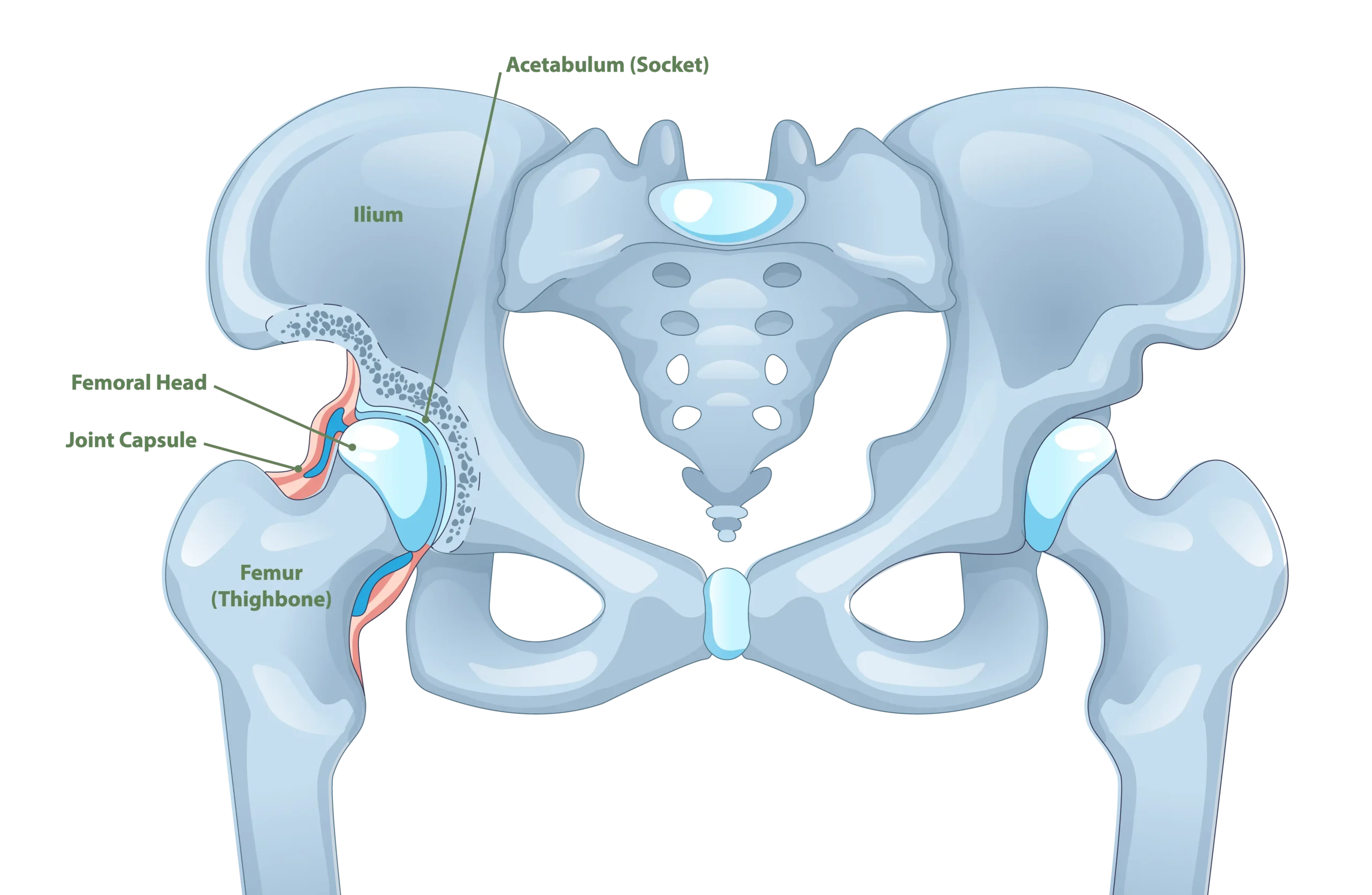
The hip is one of the body’s largest weight-bearing joints, a ball-and-socket joint where the head of the femur (the “ball”) fits into the acetabulum (the “socket”) of the pelvis. This structure is designed for both mobility and stability. A smooth layer of cartilage covers the surfaces of the ball and socket, allowing the bones to glide against each other with minimal friction. The joint is further stabilized by a ring of strong cartilage called the labrum, which deepens the socket and seals the joint. A network of powerful muscles, tendons, and ligaments surrounds this structure, working in concert to power movement and provide support.
Common Causes of Sharp Hip Pain When Walking
Several conditions can cause sharp hip pain with walking. In the following subsections, we’ll explore some of the common causes.
Osteoarthritis
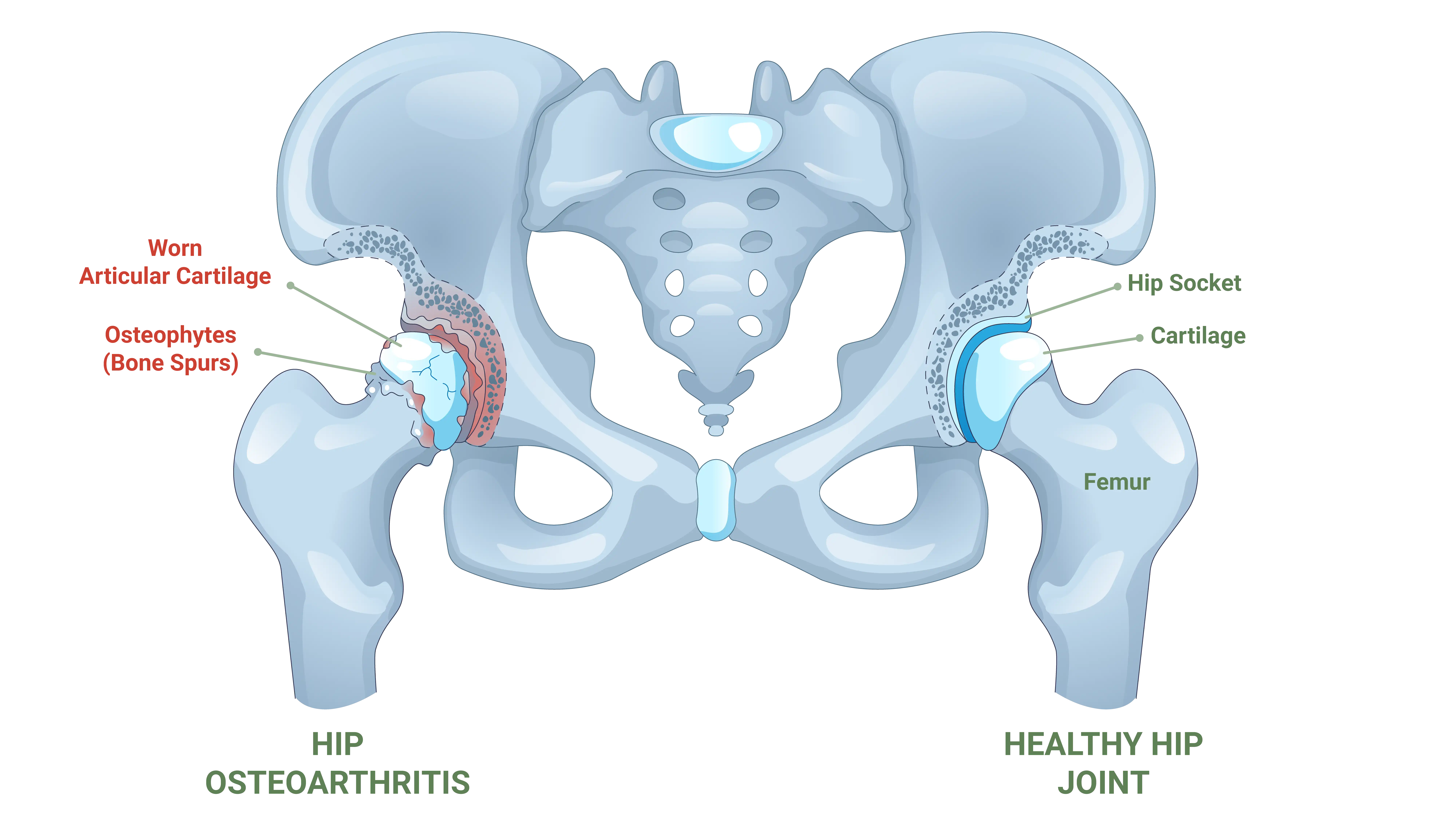
Osteoarthritis is frequently referred to as “wear-and-tear” arthritis and is one of the most common culprits behind hip pain, particularly in older individuals. This condition involves the gradual breakdown of the protective cartilage that cushions the ends of your bones. As the cartilage wears away, the bones may begin to rub against each other, leading to pain, stiffness, and a decreased range of motion. The pain from hip osteoarthritis is often described as a deep ache in the groin or front of the thigh, which can become sharp during activities like walking, standing up from a seated position, or climbing stairs. The discomfort may be more pronounced in the morning or after periods of inactivity.
Hip Bursitis
Bursitis is the inflammation of a bursa, which is a small, fluid-filled sac that acts as a cushion between bones and soft tissues to reduce friction. There are several bursae around the hip, but the one most frequently affected is the trochanteric bursa, located on the bony point of the outer hip. When this bursa becomes inflamed, it results in a condition known as trochanteric bursitis. This typically causes a sharp, intense pain on the outside of the hip that can radiate down the thigh. The pain is often at its worst when walking, climbing stairs, or lying on the affected side at night. Repetitive activities or direct pressure on the hip can trigger or exacerbate this condition.
Hip Labral Tear
The labrum is a ring of cartilage that lines the rim of the hip socket, providing stability and cushioning. A tear in the labrum can be caused by a traumatic injury, repetitive motions that wear down the joint over time, or structural abnormalities of the hip. Symptoms can include a sharp, catching, or locking sensation in the hip joint during movement. The pain is commonly located in the groin or front of the hip and can be particularly noticeable when walking, pivoting, or sitting for long periods.
Femoroacetabular Impingement (FAI)
Femoroacetabular impingement, or FAI, is a condition where extra bone grows along one or both of the bones that form the hip joint, giving them an irregular shape. Because they do not fit together perfectly, the bones can rub against each other during movement. This friction can damage the joint, causing pain and limiting activity. Over time, FAI can lead to labral tears and osteoarthritis. The pain associated with FAI is usually felt in the groin area, although it can sometimes occur toward the outside of the hip. It is frequently described as a sharp, stabbing pain that occurs with deep flexion or turning movements of the hip, such as squatting or getting out of a car.
Tendinitis and Muscle Strains
The muscles and tendons around the hip can become inflamed or injured, leading to pain. Tendinitis is the inflammation of a tendon, often caused by repetitive stress from overuse. Hip flexor tendinitis, affecting the tendons at the front of the hip, is an example that can cause a sharp pain in hip when walking. Similarly, a muscle strain, or a “pulled muscle,” occurs when a muscle is overstretched or torn. Strains of the hip flexors, gluteal muscles, or hamstrings can all result in acute pain with movement. These types of soft-tissue injuries are common in active individuals and can result from a sudden movement or a gradual buildup of stress.
Hip Fractures
A hip fracture is an injury involving a break in the upper quarter of the femur. These fractures are most prevalent in older adults, often as a result of a fall, because bones can become weaker and more brittle with age (osteoporosis). A hip fracture may cause immediate, severe, and sharp pain in the hip or groin. There is typically an inability to put weight on the affected leg, and the leg may appear shorter or turned outwards. While a major fracture is usually obvious, a smaller stress fracture can also occur in the hip. A stress fracture is a tiny crack in a bone that may be caused by repetitive force from overuse, such as long-distance running. The pain from a stress fracture may be less intense initially but worsens over time with weight-bearing activity.
Osteonecrosis
Osteonecrosis, also known as avascular necrosis, is a condition that occurs when the blood supply to the bone is disrupted. Without adequate blood flow, the bone tissue dies, and the bone can eventually collapse. The hip joint is one of the most common sites for osteonecrosis. In the early stages, there may be no symptoms. As it progresses, however, it can cause significant joint pain that may be sharp and severe, especially when putting weight on the hip.
Referred Pain from the Lower Back
Sometimes, the source of hip pain is not the hip itself. Conditions affecting the lower back, such as a herniated disc or spinal stenosis, can compress the nerves that travel from the spine down to the leg. This nerve compression, often referred to as sciatica, can cause pain that radiates into the hip area. This referred pain can be sharp, shooting, or burning in nature and may be accompanied by numbness or weakness.
Diagnosis and Navigating Treatment Options
During a consultation, an experienced hip specialist will conduct a thorough evaluation. This typically begins with a discussion of your medical history and symptoms, followed by a physical examination. During the exam, the doctor may assess your range of motion, strength, and the specific location of your pain. To confirm a diagnosis, imaging studies may be necessary. An X-ray is usually the first step, as it can reveal issues with the bones, such as fractures or signs of arthritis. If a soft-tissue injury like a labral tear or tendinitis is suspected, a magnetic resonance imaging (MRI) scan may be ordered to provide detailed images of the cartilage, muscles, and tendons.
Treatment for sharp hip pain when walking is highly dependent on the underlying cause. The goal is to reduce pain, improve function, and prevent further damage. In many cases, a conservative, non-surgical approach is the first line of treatment.
Conservative Management
For many conditions, including bursitis, tendinitis, and mild arthritis, conservative treatments may be effective. These may include:
- Rest and Activity Modification: Temporarily avoiding activities that aggravate the pain, such as high-impact exercise, can help give the inflamed tissues time to heal.
- Ice and Heat: Applying ice packs can help reduce inflammation and numb sharp pain, while heat can help relax and loosen tight muscles.
- Medications: Over-the-counter nonsteroidal anti-inflammatory drugs (NSAIDs), such as ibuprofen or naproxen, may be recommended for pain management and inflammation reduction.
- Physical Therapy: A physical therapist can design a customized program of exercises to stretch and strengthen the muscles surrounding the hip. This can improve stability, increase flexibility, and correct any biomechanical issues that may be contributing to the pain.
Injections and Surgical Interventions
If conservative measures do not provide sufficient relief, more advanced treatments may be considered. Corticosteroid injections can deliver powerful anti-inflammatory medication directly to the site of pain, such as an inflamed bursa or arthritic joint, providing temporary but significant relief.
For more severe structural problems, hip surgery may be recommended. Hip arthroscopy is a minimally invasive procedure that may be used to repair labral tears or correct FAI. In cases of severe, end-stage arthritis or osteonecrosis where the joint is extensively damaged, a total hip replacement may be recommended to replace the damaged joint with a durable artificial implant.
Summary
Experiencing a sharp pain in the hip when walking is a signal from your body. From inflammatory conditions like arthritis and bursitis to structural issues like labral tears and fractures, the potential causes are numerous. A timely and accurate diagnosis from an orthopedic specialist can be helpful for developing an effective treatment plan. By understanding the potential causes and seeking appropriate care, you can take control of your hip health.
Frequently Asked Questions
Can my walking style cause hip pain?
Yes, your gait, or the way you walk, can contribute to hip pain. An abnormal walking pattern may place uneven stress on the hip joint and surrounding muscles, potentially leading to inflammation and pain over time. A physical therapist can analyze your gait and recommend corrective exercises or orthotics if needed.
Is it okay to exercise with hip pain?
Whether you should exercise with hip pain depends on the cause and severity of the pain. For minor muscle strains, gentle stretching and low-impact activities may be beneficial. However, for more serious conditions, exercise could worsen the problem. It is always best to consult with a doctor before starting or continuing an exercise program when you are experiencing pain.
How long does it take to recover from hip pain?
Recovery time varies widely depending on the underlying cause of the hip pain and the treatment required. Minor strains or bursitis might improve within a few weeks with conservative care. Recovery from more significant injuries or surgical procedures, such as a hip replacement, will take several months and typically involves a structured rehabilitation program.