
Medically reviewed by Eric L. Giang, DO | Reviewed June 2026
One of the most common questions I hear from patients at my Modesto practice is: “Should I get a cortisone shot or try PRP?” Both cortisone and PRP injections can play a meaningful role in managing joint and soft tissue pain, but they work in very different ways, and one size definitely does not fit all. As a fellowship-trained orthopedic surgeon who offers PRP therapy in Modesto, CA, I use both tools regularly. Understanding the difference between cortisone vs. PRP injections can help you walk into your appointment with better questions and walk out with a plan that fits your situation.
Key Takeaways
- Cortisone injections are a well-established, fast-acting option for reducing inflammation and managing pain in the short term.
- PRP (platelet-rich plasma) uses concentrated growth factors from your own blood and may support longer-term tissue healing.
- The right choice depends on your diagnosis, how far the condition has progressed, your timeline, and your overall treatment goals.
- A thorough evaluation with a fellowship-trained orthopedic specialist is the best way to determine which approach is right for your specific situation.
What Is a Cortisone Injection?
Cortisone is a corticosteroid, a powerful anti-inflammatory medication injected directly into a painful joint or soft tissue area. It does not repair damaged tissue. What it does is reduce inflammation, which can significantly lower pain levels and improve mobility, often within a few days of the injection.
Cortisone has been used in orthopedic care for decades. It’s one of the most studied and widely administered treatments we have. Common areas where cortisone injections are used include the shoulder, knee, hip, and elbow. The effect can last anywhere from a few weeks to several months depending on the condition and the individual patient.
The main limitation of cortisone is that it treats the symptom (inflammation and pain) but not the underlying structural problem. Repeated injections over time can also weaken tendons and cartilage, which is why most doctors limit how often they give them in the same area.
What Is a PRP Injection?
Platelet-rich plasma, or PRP, is created from your own blood. A small sample is drawn and placed in a centrifuge that spins it at high speed, separating the platelets from red blood cells and other components. The resulting concentrated platelet-rich solution is then injected into the targeted area. Because it comes from your own body, the risk of allergic reaction is generally considered very low.
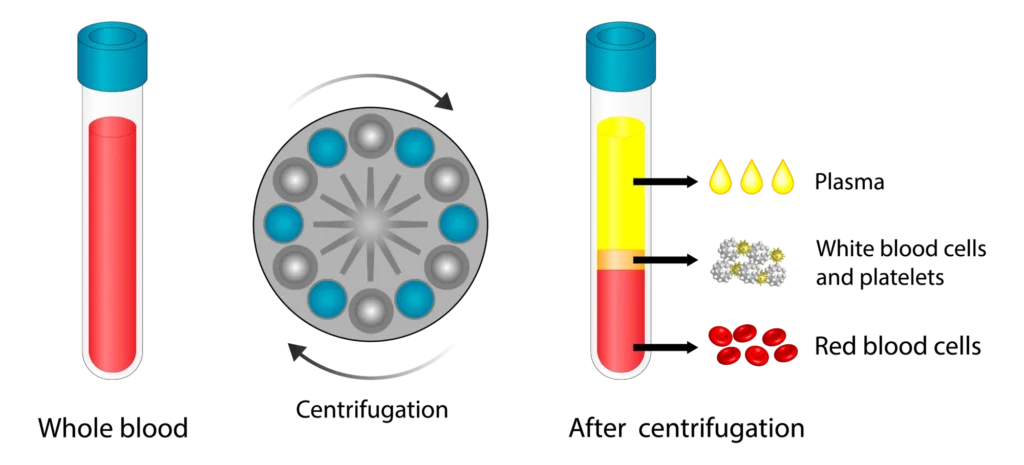
Platelets contain growth factors, proteins that play a role in the body’s natural healing response. The idea behind PRP is that delivering a concentrated dose of these growth factors directly to damaged or degenerated tissue may help support the body’s own repair process. Unlike cortisone, PRP is not primarily an anti-inflammatory treatment. It’s more of a regenerative approach, and results tend to come gradually over several weeks rather than days.
PRP has been explored for a range of orthopedic conditions, including shoulder arthritis, partial rotator cuff tears, knee osteoarthritis, hip bursitis, and tendinopathy.
Cortisone vs. PRP Injections: The Core Differences
The most important thing to understand is that cortisone and PRP are not interchangeable. They serve different purposes.
Cortisone works quickly. Most patients notice a meaningful reduction in pain within a few days to a week. It’s particularly effective when there’s active, significant inflammation driving the pain, such as in conditions like acute bursitis, tendinitis, or an arthritis flare. The goal is relief so a patient can function, move, and participate in physical therapy.
PRP works more slowly. Many patients don’t notice much improvement until about four to six weeks after the injection. Some require a second or third injection before achieving their best result. The goal with PRP is not just symptom relief but potential structural support. For that reason, PRP tends to be considered more often in situations where the tissue itself may benefit from a regenerative stimulus, such as tendinopathy or early-to-moderate arthritis.
Duration is another key difference. Cortisone’s effect typically fades over weeks to months. PRP results, when they occur, may last longer for some patients, though the research here is still developing and individual results vary.
What to Expect from Each Procedure
Both injections are typically performed in an office setting on an outpatient basis. Neither requires general anesthesia. That said, the experience is a bit different for each.
A cortisone injection is straightforward. The skin is cleaned, sometimes a local anesthetic is applied, and the injection is given, possibly with ultrasound guidance. The whole thing usually takes under 15 minutes. Mild soreness at the injection site is normal for a day or two. Many patients start to notice pain relief within a few days, though it can take up to a week or two to feel the full effect.
A PRP injection takes a bit longer because of the preparation involved. A small blood draw is done first, and the sample goes into a centrifuge that processes it for roughly 10 to 15 minutes. Once the PRP is ready, it’s injected into the targeted area (again, possibly with imaging guidance). Plan for about 45 minutes to an hour total for the appointment. Mild soreness afterward is common and usually settles within a few days.
After a cortisone injection, most providers recommend avoiding strenuous activity for a short period. After PRP, the rest period tends to be a bit more important. The body needs time to respond to the treatment, and pushing too hard too soon can interfere with that process. Your doctor will give you specific guidance based on which joint was treated and what activity level you’re returning to.
Which Conditions Are Better Suited to Each?
This is where a thorough clinical evaluation really matters. Generalizations only go so far. That said, here is how I tend to think about it in my practice.
Conditions Where Cortisone Is Often Considered First
Cortisone may be a good starting point when inflammation is the primary driver of pain and the goal is rapid symptom relief. Common scenarios may include:
- Acute or severe bursitis (shoulder, hip, or knee)
- Arthritis flares where swelling and pain are limiting basic function
- Situations where a patient needs near-term pain relief to begin physical therapy
Conditions Where PRP May Be Worth Discussing
PRP tends to come up in conversations about conditions that are more chronic or degenerative in nature, where the underlying tissue may benefit from a different kind of support. These may include:
- Mild to moderate osteoarthritis
- Chronic tendinopathy (such as gluteal tendinopathy or rotator cuff tendinopathy)
- Partial rotator cuff or labral tears where surgery is not yet necessary or preferred
- Patients who have had repeated cortisone injections and are looking for an alternative
What I See in My Patients
Here in Modesto, a lot of the patients I see for injection therapy are active, working people in their 40s, 50s, and 60s who are trying to manage pain without jumping straight to surgery. That’s a completely reasonable goal, and injections (both cortisone and PRP) can be an important part of getting there.
What I notice most often is that patients come in having already formed a strong opinion about one option or the other, sometimes based on something they read online, sometimes based on what worked for a friend. The question isn’t which injection sounds better in the abstract. The question is which one makes sense for what’s actually going on in your joint or tendon right now.
My Approach to Choosing Between Cortisone and PRP
When a patient comes to me asking about cortisone vs. PRP injections, my first priority is making sure we have the right diagnosis. I won’t recommend any injection treatment without understanding what structure is actually involved, how far the condition has progressed, and whether the patient has already tried conservative measures like physical therapy or activity modification.
From there, the conversation usually covers a few key areas: How acute is the pain? How much inflammation is present? Has this been going on for weeks or years? Has the patient tried other treatments, and how did those go? What are their goals?
As a fellowship-trained shoulder surgeon in Modesto, I’ve worked with a wide range of injection scenarios, from professional athletes managing in-season pain to Central Valley residents in physically demanding jobs who need to stay functional. The principles are the same across all of them: accurate diagnosis, honest expectations, and a plan that fits the actual patient in front of me.
Summary
Cortisone and PRP are both valuable tools, but they’re different tools, and the distinction matters. Cortisone works faster and is often the right first move when inflammation is driving significant pain. PRP takes more time to work but may offer a more regenerative approach for certain chronic or degenerative conditions.
If you’re dealing with joint or tendon pain in Modesto or anywhere in the Central Valley and wondering which injection approach might be right for you, the best place to start is a thorough evaluation. Bring your imaging if you have it, and come ready to talk through your history. That conversation is where the real decision-making happens. To schedule a consultation, call my office at (209) 577-1411 or request an appointment online.
Frequently Asked Questions
Can you get both cortisone and PRP injections?
Not at the same time. Cortisone can suppress the inflammatory response that PRP may rely on to be effective, so they are generally not administered together. However, in certain situations, cortisone may be recommended first to manage acute inflammation, and then PRP may be discussed later as part of a longer-term plan. Any sequenced approach should be guided by a qualified orthopedic specialist based on your specific diagnosis.
Are PRP injections painful?
Some mild discomfort at the injection site is normal. The area is typically cleaned and may be numbed with a local anesthetic beforehand. Some patients experience temporary soreness for a few days after the injection as the body begins to respond to the treatment. Most patients tolerate the procedure well, and it is generally performed on an outpatient basis in an office setting.
How do I know if I’m a good candidate for PRP?
Candidates for PRP therapy typically have mild to moderate joint or soft tissue conditions that have not responded adequately to conservative treatments like physical therapy or medication. A thorough evaluation (including a review of your imaging and medical history) is the best way to determine whether PRP is appropriate for your situation. I encourage patients to schedule a consultation rather than relying on general guidelines alone.