
Experiencing sharp pains in the shoulder when breathing can be alarming and uncomfortable. This symptom often catches individuals off guard because breathing is not typically associated with shoulder discomfort. Understanding what might be causing your pain and when to seek medical attention can help you get appropriate care.
Key Takeaways
- Sharp shoulder pain during breathing can stem from musculoskeletal, respiratory, cardiac, or nerve-related causes.
- The location, timing, and associated symptoms may help determine whether you need an orthopedic specialist or another type of physician.
- Conservative treatments often provide relief, though some conditions may require more advanced intervention.
Common Musculoskeletal Causes
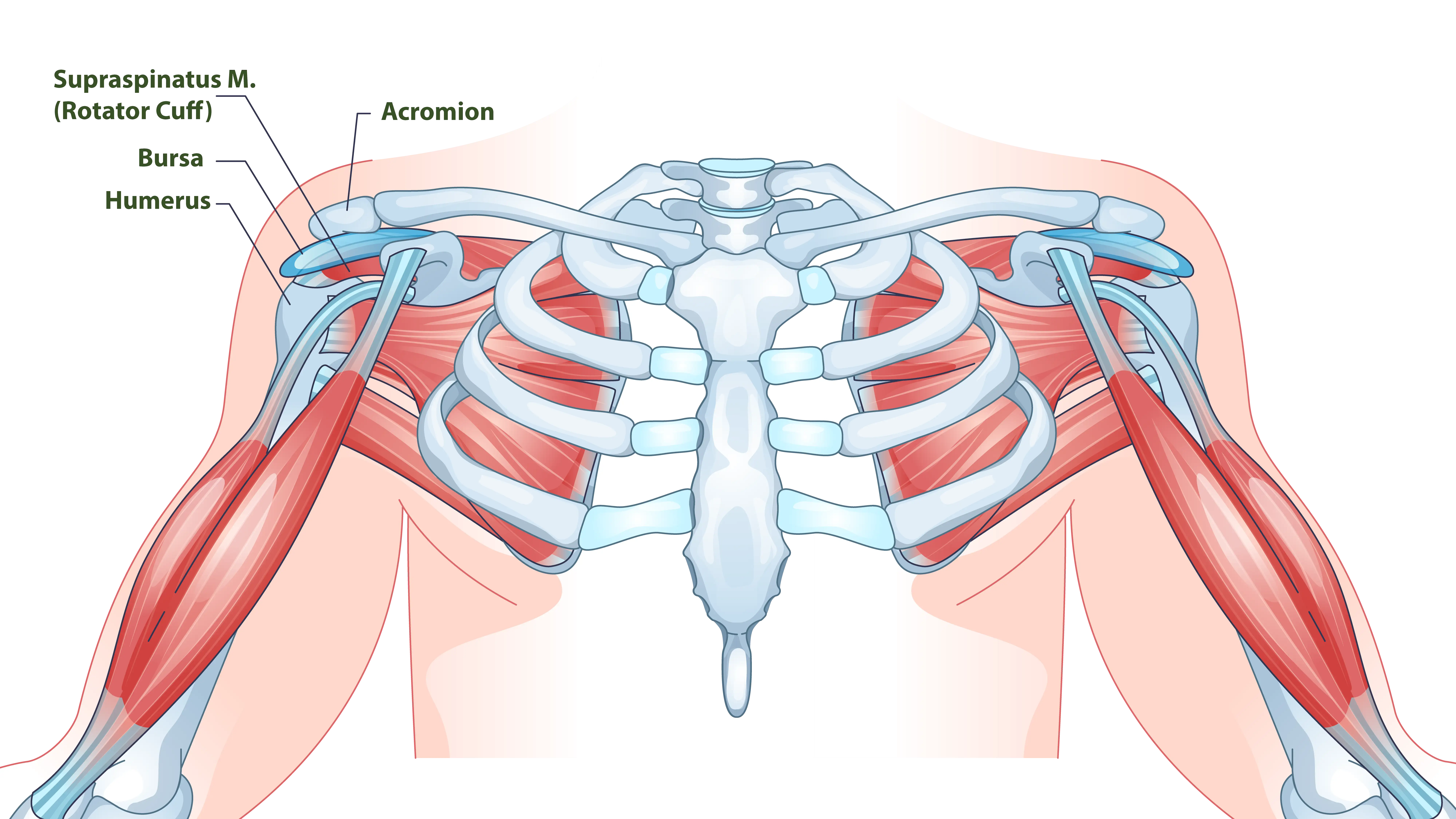
The shoulder is a complex joint surrounded by muscles, tendons, ligaments, and nerves that work together to provide remarkable mobility. When you breathe, your rib cage expands and contracts, engaging muscles that connect to your shoulders and upper back. This interconnection means that problems in one area can often affect another. Sharp pains in the shoulder when breathing may indicate issues ranging from minor muscle strains to more serious conditions.
Cervical Radiculopathy
Nerve compression in the neck can send pain signals down into the shoulder. This condition often presents with sharp, shooting pain that may be accompanied by tingling, numbness, or weakness in the arm. Poor posture and degenerative disc disease are common contributing factors.
Costochondritis and Rib Dysfunction
The ribs attach to the spine in your back and the sternum in front through cartilage. Inflammation of this cartilage, called costochondritis, can cause sharp chest and shoulder pain that worsens with breathing. Similarly, a rib that’s slightly out of position or a strain in the intercostal muscles between the ribs can create significant discomfort. These conditions often develop after trauma, repetitive strain, or even forceful coughing.
Muscle Strains
The muscles connecting your shoulder to your chest wall and spine work during respiration. A strain in the trapezius, serratus anterior, or scalene muscles can cause sharp pain with breathing. These strains might result from overexertion, poor posture, or sudden movements. While they’re generally not serious, they can be quite painful and limit your daily activities.
Non-Orthopedic Causes to Consider
Cardiac Concerns
Heart-related issues can sometimes be felt in the shoulder. Other symptoms might include chest tightness, shortness of breath, nausea, or pain radiating to the jaw or arm. If you suspect cardiac involvement, seek emergency care.
Pulmonary Conditions
Lung problems can cause shoulder pain during breathing. Pleurisy, an inflammation of the lung lining, creates sharp pain with each breath. Pneumonia, pulmonary embolism, or even a partially collapsed lung may present similarly. These conditions typically include additional symptoms like fever, cough, difficulty breathing, or chest pain. The pain location might help differentiate these from musculoskeletal issues, though overlap exists.
Gallbladder Disease
Gallbladder problems can cause referred pain to the right shoulder, including when taking deep breaths. This occurs because the diaphragm shares nerve pathways with the gallbladder. Gallbladder attacks often occur after eating fatty meals and may include nausea, vomiting, or abdominal pain. The shoulder pain in these cases is usually on the right side and may feel like it’s coming from the shoulder blade area.
Diaphragm Irritation
The diaphragm is your primary breathing muscle. Irritation from infection, inflammation, or injury can cause referred pain to the shoulder. This happens because the phrenic nerve, which controls the diaphragm, has nerve roots that also supply sensation to the shoulder region. Abdominal surgery or trauma might lead to diaphragm irritation that manifests as shoulder pain with breathing.
Evaluating Your Symptoms
Determining the cause of sharp pains in the shoulder when breathing requires careful consideration of your symptoms. Pay attention to the specific location of the pain. Is it primarily in the shoulder joint itself, or does it seem to originate from the chest wall or upper back? Does the pain stay localized, or does it radiate down your arm or into your chest?
Consider what triggers or worsens the pain. Does it occur only with deep breathing, or does it also happen with arm movements? Can you reproduce the pain by pressing on specific areas? Does coughing, sneezing, or changing positions affect the intensity?
When to See an Orthopedic Specialist
An orthopedic specialist focuses on conditions affecting the musculoskeletal system, including bones, joints, muscles, tendons, and ligaments. Consider consulting an experienced orthopedic specialist if the following are involved:
- Pain localized to the shoulder, upper back, or shoulder blade
- Discomfort that worsens with arm movement, posture changes, or certain positions
- Tenderness when pressing on the shoulder, ribs, or surrounding muscles
- A history of shoulder injury, overuse, heavy lifting, or recent physical strain
- Pain that persists despite rest or conservative self-care measures
When to See Other Specialists
Certain symptoms should prompt you to seek care from other medical professionals. Visit your primary care physician, emergency department, or another specialist if you experience chest pain, pressure, or tightness along with your shoulder pain. Heart-related issues may require immediate attention.
Consider seeing a pulmonologist or visiting urgent care if you have difficulty breathing, a persistent cough, fever, or if you’re producing colored sputum along with your shoulder pain. These symptoms might indicate a respiratory infection or other lung condition.
A gastroenterologist may be the best doctor to consult if your right shoulder pain correlates with eating, particularly fatty foods, or if you experience abdominal pain, nausea, or jaundice. Gallbladder issues require different treatment approaches than musculoskeletal problems.
Prevention and Self-Care
While not all causes of shoulder pain when breathing can be prevented, several strategies may help protect your shoulder health. Maintain good posture throughout the day, especially if you work at a desk. Your shoulders should be relaxed, not hunched forward or elevated. Regular breaks to stretch and move can prevent muscle tension from building up.
Strengthen the muscles that support your shoulder and upper back through regular exercise. A balanced fitness routine that includes both strength training and flexibility work helps maintain joint health. Warm up properly before physical activities and increase intensity gradually to avoid overuse injuries.
Pay attention to your body’s signals. If an activity causes pain, modify or stop it rather than pushing through discomfort. Early intervention for minor issues can prevent them from becoming more serious problems.
Summary
Sharp pains in the shoulder when breathing can arise from various causes, ranging from musculoskeletal issues to cardiac, pulmonary, or digestive system problems. While many cases involve relatively minor conditions that may improve with conservative treatment, some situations require urgent or emergency medical attention.
Frequently Asked Questions
Why does my shoulder hurt when I take a deep breath but not with normal breathing?
Deep breathing causes greater expansion of your chest and more pronounced movement of your shoulder blades, which may aggravate underlying conditions that aren’t irritated by shallow breathing. A thorough evaluation can help identify the specific structure causing your pain.
How long should I wait before seeing a doctor about shoulder pain when breathing?
If you have any emergency warning signs like chest pain, severe shortness of breath, or symptoms suggesting a heart attack, consider seeking immediate care. For less urgent symptoms, if the pain hasn’t improved with rest and over-the-counter measures within one to two weeks, or if it’s interfering significantly with daily activities, it may be advised to seek medical evaluation.
Can sleeping position cause sharp shoulder pain when breathing?
Sleeping in awkward positions can strain shoulder muscles and joints, potentially causing pain that you notice more when breathing deeply. Side sleepers who place weight directly on their shoulder for extended periods might develop inflammation or muscle strain. Using a supportive pillow and changing positions periodically during sleep may help in some situations.