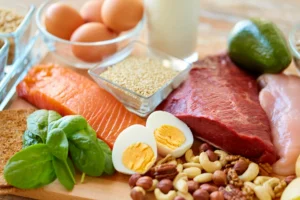
When patients come in after a shoulder replacement, hip procedure, knee surgery, or another kind of surgery, the conversation usually centers on pain, mobility, and physical therapy progress. Those are important, but there’s another piece I consistently bring into the discussion that often doesn’t get enough attention: diet, and specifically their protein intake for healing.
After surgery, the body is essentially rebuilding itself from the inside out. Incisions need to close, soft tissue has to repair, muscle mass is often restored after a period of disuse, and the immune system is working overtime to manage inflammation and protect against infection. On top of that, collagen, a key structural protein in joints, tendons, and cartilage, has to be produced continuously to support healing. All of this relies heavily on adequate protein availability.
In this post, I want to break down what protein actually does in the recovery process, how much you may need after surgery, the best sources to focus on, and practical ways to make it a steady part of your healing plan.
Key Takeaways
- Protein supports tissue repair, muscle preservation, immune function, and collagen production, all of which are essential during recovery.
- Spreading protein intake evenly throughout the day tends to be more effective than consuming most of it in a single meal.
- High-quality whole food sources are generally the best foundation, though protein supplements can help bridge the gap when appetite is low.
- Every patient’s needs differ. Always work with your care team to determine what’s right for your specific situation.
What Protein Actually Does During Recovery
Protein is made up of amino acids, the building blocks your body uses for an enormous range of biological functions. During normal daily life, your body has modest protein needs. After surgery or significant injury, those needs can shift considerably.
Here’s what protein contributes during orthopedic recovery:
- Repairs damaged tissue. Surgery intentionally disrupts tissue. Protein supplies the amino acids your body needs to close wounds and rebuild that tissue correctly.
- Preserves muscle mass. Reduced activity after surgery, combined with the body’s natural stress response, can cause muscle breakdown. Adequate protein may help slow that process.
- Supports immune function. Antibodies and immune signaling proteins are built from amino acids. Inadequate protein intake, particularly in cases of malnutrition or significantly reduced overall dietary intake, may impair immune function and the body’s ability to respond to infection during recovery.
- Drives collagen production. Collagen is the primary structural protein in tendons, ligaments, cartilage, and bone. Your body needs specific amino acids to produce it.
Without enough protein, the body may struggle to complete all of these processes simultaneously. That can mean slower wound healing, greater muscle loss, and a longer overall timeline to full function.
Why Protein Matters So Much in Orthopedic Procedures
Orthopedic surgeries place the musculoskeletal system under real stress. Whether I’m performing an anterior hip replacement, a robotic knee replacement, or a shoulder replacement, the body needs to heal multiple tissue types at once, including bone, cartilage, muscle, and connective tissue. Each of those healing processes draws on protein.
For example, after a hip replacement, the surrounding muscles need to recover alongside the new joint. Patients who aren’t meeting their protein needs may find that muscle strength returns more slowly than expected. The same pattern can appear in knee replacement patients. If protein intake is low, the muscles may not respond as well to the physical therapy exercises that are so important during that phase. Shoulder procedures present their own demands.
Physical therapy and nutrition work together. Putting in the effort in PT while neglecting nutrition leaves a meaningful gap in the recovery process.
How Much Protein Do You Actually Need?
This is the question I hear most often on this topic. The standard recommendation for healthy adults is approximately 0.8 grams of protein per kilogram of body weight per day. After orthopedic surgery, that number may need to climb.
Research in clinical nutrition and postoperative recovery suggests that patients may benefit from higher protein intake than the general adult recommendation, often in the range of approximately 1.2 to 2.0 grams per kilogram of body weight per day, depending on age, health status, and the type of surgery.
Several factors can push needs toward the higher end of that range:
- Older age. Aging can lead to what’s called anabolic resistance, where the body becomes less efficient at using dietary protein for tissue building. Higher intake may help compensate.
- Larger surgical site. More extensive procedures generally create a greater protein demand during repair.
- Pre-existing deficiencies. Patients who enter surgery already low on protein stores may face a steeper climb in recovery.
These are general estimates. Your actual needs depend on your weight, health history, activity level, and the specifics of your procedure. I’d encourage you to bring this topic up with your care team for individualized guidance rather than relying solely on general ranges.
The Best Protein Sources for Recovery
Not all protein is equally effective. Quality matters, and quality, in nutritional terms, refers to the amino acid profile of a food and how readily the body can absorb and use it.
Animal-Based Proteins
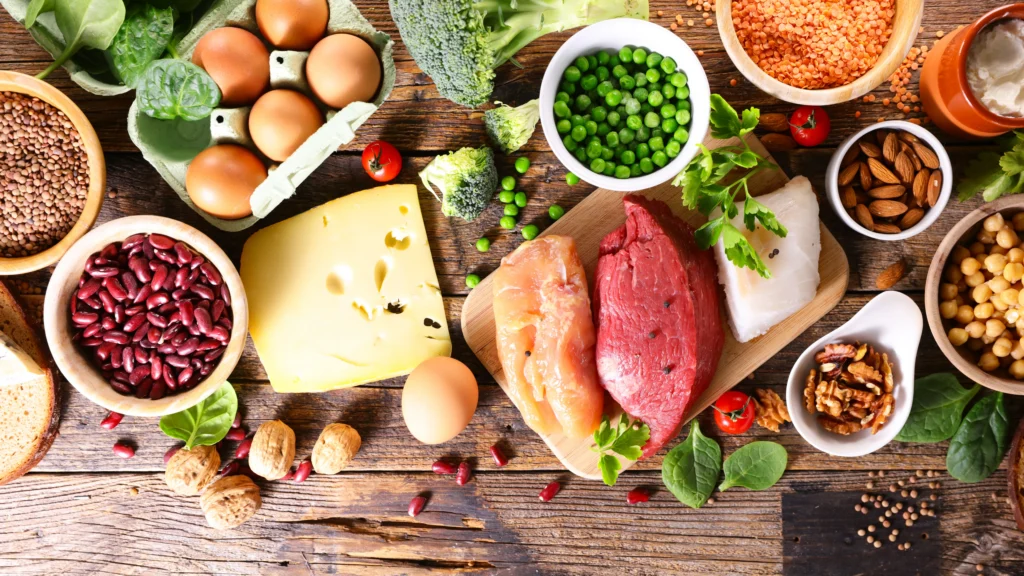
Animal-based protein sources tend to offer complete amino acid profiles, meaning they provide all essential amino acids in meaningful amounts:
- Eggs — highly digestible, versatile, and easy to prepare
- Chicken and turkey breast — lean sources that work well in a wide range of meals
- Salmon and other fatty fish — also provide omega-3 fatty acids, which may help moderate inflammation during recovery
- Greek yogurt and cottage cheese — easy to eat even when appetite is low, and rich in fast-digesting whey protein
- Lean beef — also provides zinc and iron, both of which support healing
Plant-Based Proteins
Plant-based protein sources can also meet your recovery needs with a little planning:
- Lentils and beans — also rich in fiber and essential minerals
- Tofu and tempeh — versatile soy-based options with solid amino acid profiles
- Quinoa — one of the few plant-based complete proteins
- Edamame — simple, satisfying, and protein-dense
- Nuts and seeds — convenient for snacking and adding protein throughout the day
If you’re following a plant-based diet, combining different protein sources across the day can help ensure you’re covering all essential amino acids. For a broader look at how protein fits alongside other key recovery nutrients, I’d point you to my earlier post on post-surgery nutrition.
Protein Timing: Spread It Out
Research on muscle protein synthesis suggests that distributing protein intake evenly across the day may support muscle repair and utilization, although total daily protein intake remains the most important factor. Practically speaking, this means including a meaningful protein source at breakfast, lunch, dinner, and possibly a small snack.
It might look something like this:
- Breakfast: Two scrambled eggs with Greek yogurt and a small handful of almonds
- Lunch: Grilled chicken over lentils with roasted vegetables
- Dinner: Baked salmon with quinoa and steamed broccoli
- Snack: Cottage cheese with mixed nuts or a hard-boiled egg
Because the body doesn’t store protein the way it stores fat or carbohydrates, a consistent supply throughout the day helps ensure amino acids are available when the body needs them for tissue repair. Skipping breakfast or letting several hours pass without a protein source creates windows where that repair process may slow.
Protein, Collagen, and Connective Tissue Healing
One angle worth exploring specifically is the connection between protein intake for healing and collagen synthesis. Collagen makes up a large portion of the connective tissue in joints, tendons, ligaments, and cartilage. After procedures involving the shoulder, hip, or knee, collagen production is a key part of soft tissue recovery.
The body synthesizes collagen from amino acids, especially glycine and proline, sourced from dietary protein. Some research suggests that vitamin C plays an important role in collagen synthesis, and including vitamin C–rich foods alongside protein sources may support the body’s natural collagen-building processes. Simple pairings, like salmon with a side of bell peppers, or chicken with a citrus-based dressing, may offer a practical benefit.
If you want to explore bone-specific nutrition in more detail, my post on bone healing foods covers those nutrients thoroughly.
What About Protein Supplements?
Protein supplements, including whey, casein, and plant-based options like pea or soy protein, can be a practical tool when whole-food intake is difficult. This is especially true in the first few days after surgery, when appetite tends to be low and food preparation may feel overwhelming.
Whey protein, in particular, is well-studied for its role in muscle preservation and repair. It’s fast-digesting and contains a high concentration of leucine, an amino acid that appears to be especially important for triggering muscle protein synthesis.
A few things to keep in mind with supplements:
- Choose options with minimal added sugar and unnecessary additives.
- Supplements are most useful as a complement to whole foods, not a replacement.
- If you have kidney disease or any other relevant medical conditions, consult your doctor before significantly increasing protein intake through supplements.
Blending a protein powder with Greek yogurt, nut butter, and fruit is a simple way to create a nutrient-dense recovery shake that goes beyond just protein.
Common Mistakes I See Patients Make
Even motivated, well-intentioned patients sometimes fall short when it comes to protein intake for healing. A few patterns come up regularly:
- Eating too little overall. Appetite often drops after surgery due to pain medication, anesthesia effects, or general discomfort. When total food intake falls, protein intake drops right along with it.
- Skipping breakfast. Many patients eat very little in the morning. That’s a missed opportunity for one of the day’s most important protein servings.
- Over-relying on easy refined carbohydrates. Toast, crackers, and plain rice are common go-to recovery foods. These aren’t bad choices, as they’re gentle on the stomach. Still, they shouldn’t crowd out protein-rich options throughout the day.
- Assuming needs normalize too quickly. Elevated protein needs during orthopedic recovery may persist for weeks to several months, depending on the procedure. Staying intentional about protein intake well into the recovery process may be beneficial.
Summary
Protein intake for healing is an important nutritional factor that supports the body’s normal recovery processes after orthopedic surgery. From tissue repair and muscle preservation to immune function and collagen production, protein is deeply involved in the biology of recovery. Meeting your needs requires intention, particularly when appetite is low and daily routines are disrupted.
Focus on high-quality protein sources at every meal, spread your intake throughout the day, and don’t wait until problems arise to discuss this with your care team. Whether you’re recovering from a shoulder replacement, a hip or knee procedure, or a revision surgery, appropriate nutrition supports the recovery process alongside surgical care and physical therapy.
Frequently Asked Questions
Can I meet my protein needs on a plant-based diet?
Yes, it’s generally achievable with thoughtful planning. Patients following plant-based diets should focus on combining different protein sources, such as legumes, soy products, quinoa, nuts, and seeds, to cover all essential amino acids. Discussing your dietary preferences with your care team can help ensure your recovery nutrition is well supported.
When should I start focusing on protein intake after surgery?
Ideally, it helps to optimize protein intake both before and after surgery. Building up protein stores before a procedure may support a stronger recovery starting point. After surgery, prioritizing protein as soon as you’re able to tolerate food can help your body begin the repair process early.
Are protein supplements safe to use after orthopedic surgery?
For most patients, protein supplements like whey or plant-based protein powders are generally safe and can be a helpful way to meet elevated needs, especially when solid food intake is limited. Patients with kidney disease or other relevant medical conditions should consult their doctor before significantly increasing protein intake through supplements.